


Exploring the Peruvian Amazon by Expedition Yacht

At dawn on the Peruvian Amazon, the vessel moves steadily through low river mist. The shoreline comes into focus in fragments: trees, exposed roots, shifting waterlines. In September, a new expedition yacht begins operating here, positioning the river itself as the primary route into the forest.
The river widens. Banks recede. The forest is present, but it does not close in on you.
The River Systems of the Planet's Largest Rainforest
The Peruvian Amazon, particularly in the Loreto Region, unfolds through river systems rather than roads. Iquitos, one of the primary gateways, is reached by air. From there, tributaries branch outward toward areas such as the Pacaya Samiria National Reserve.
The Amazon is often imagined as dense canopy. Green without interruption.

But on the water, the first impression is space. The river is generous enough in places to feel expansive, then narrows into smaller channels where vegetation leans toward the banks.
Blackwater tributaries reflect the sky differently than sediment-rich currents. Seasonal floodplains alter the edges of the landscape. What appears static on a map is fluid in reality.
The forest remains constant, but access depends entirely on the river.
At First Light on the Amazon River
Navigating at first light is not dramatic. There is no arrival point. The boat maintains a steady pace while sounds carry across the water from both banks.
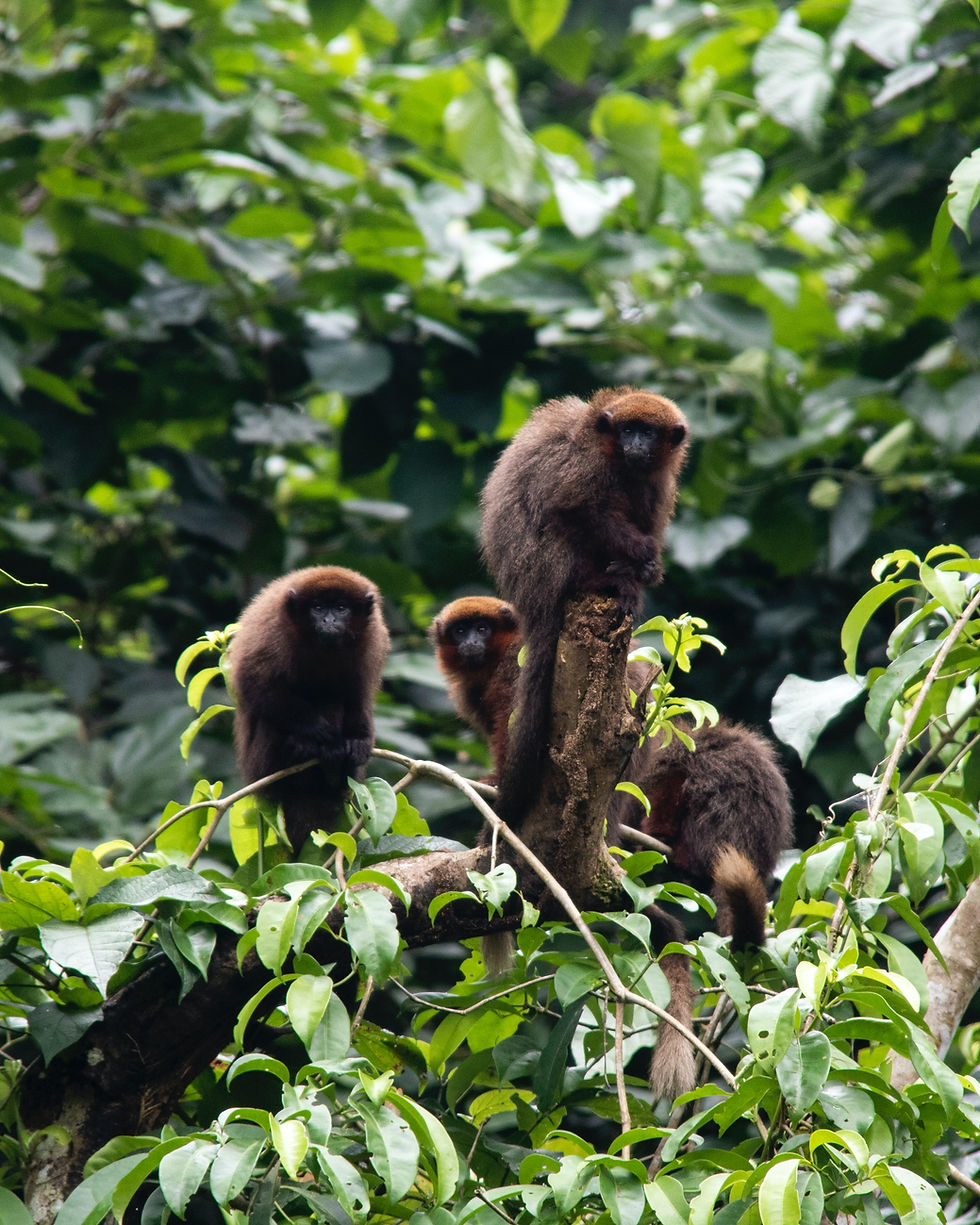
Bird calls move before you see their source. A ripple on the surface registers before anything breaks it. The air is humid, and the temperature shifts slowly as the sun rises.
Standing on an open deck, distance becomes relative. The opposite bank can feel close, then unexpectedly far. Progress is measured in bends of the river rather than kilometers.
This is not a wildlife spectacle designed around guarantees. Encounters, when they happen, unfold within the broader context of movement. The defining sensation is not a single sighting, but the understanding that the wild isn't predictable.
Humidity settles on skin. The shoreline advances, then retreats. The forest is approached repeatedly, never conquered.
Aboard the &Beyond Amazon Explorer
The &Beyond Amazon Explorer is designed as a small expedition vessel rather than a stationary lodge. That distinction matters.
Instead of returning each evening to the same clearing in the forest, the setting shifts. Cabins remain constant. The landscape does not.
Days are structured around river conditions and light. Smaller excursions depart directly from the vessel into surrounding waterways, then return to a deck that remains open to air rather than sealed off from it.
By placing accommodation on the river, the journey remains fluid. The vessel becomes both base and passage.
A 10–14 Day Peru Itinerary: River and Highlands
A broader Peruvian itinerary benefits from contrast.
Arrival typically begins in Lima before continuing. River expeditions unfold over several nights, navigating tributaries and protected areas within reach of the Pacaya Samiria Reserve.

Time on the water recalibrates pacing, but after several days shaped by humidity and lowland terrain, shifting to higher elevation offers a different frame. The Sacred Valley or Cusco introduces altitude, stone-built architecture, and a landscape defined by ridgelines rather than currents.
Where the river disperses attention outward, the Andes gather it vertically. Allow at least ten to fourteen days for this progression to unfold without compression. The river segment becomes the core around which the rest of the journey rotates.
The Occasionist Lens
This journey suits travelers who are comfortable with sustained time on water and who seek presence as the defining experience.

It is not designed for travelers seeking predictable wildlife encounters, tightly scheduled excursions, or resort-style insulation.
A common misconception is that deeper immersion into the Amazon means pushing further into forest. In practice, orientation begins by accepting that the river is the organizing force.
Practical Notes
Best months to go: May to October often offer relatively drier conditions, though river levels and weather vary seasonally.
Ideal length: 10 to 14 days to combine the river expedition with highland contrast.
Access: International arrival in Lima, followed by a domestic flight to Iquitos where river expeditions embark.
Planning consideration: Connectivity is limited and humidity is constant; packing and pacing should reflect sustained time in a tropical river environment.
FAQ
Is this a traditional Amazon river cruise?
It is structured as a small-scale expedition, with navigation focused on tributaries and reserve areas.
Are wildlife sightings guaranteed?
No. Encounters depend on timing, conditions, and the natural movement of animals.
How physically demanding is the experience?
Most exploration is water-based with short excursions; humidity and heat are consistent factors.
Can this be combined with Machu Picchu?
Yes. Many travelers extend into Cusco and the Sacred Valley to add an Andean contrast to the river experience.
Is this suitable for first-time visitors to South America?
Yes, particularly for those comfortable with remote river conditions and domestic flight connections.
Explore our destination page for Peru
Inquire about planning
Subscribe to our newsletter at the bottom of the page


